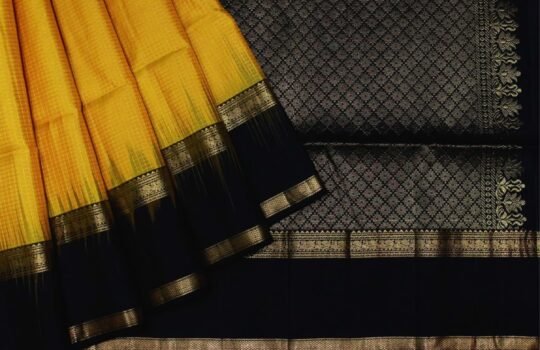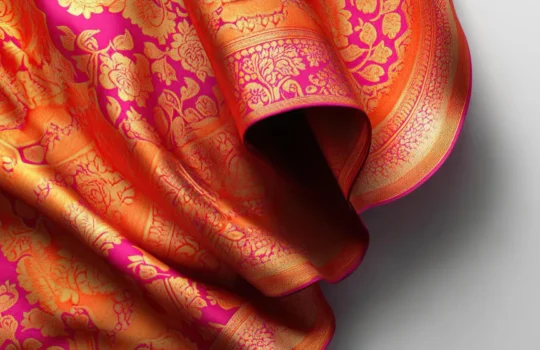
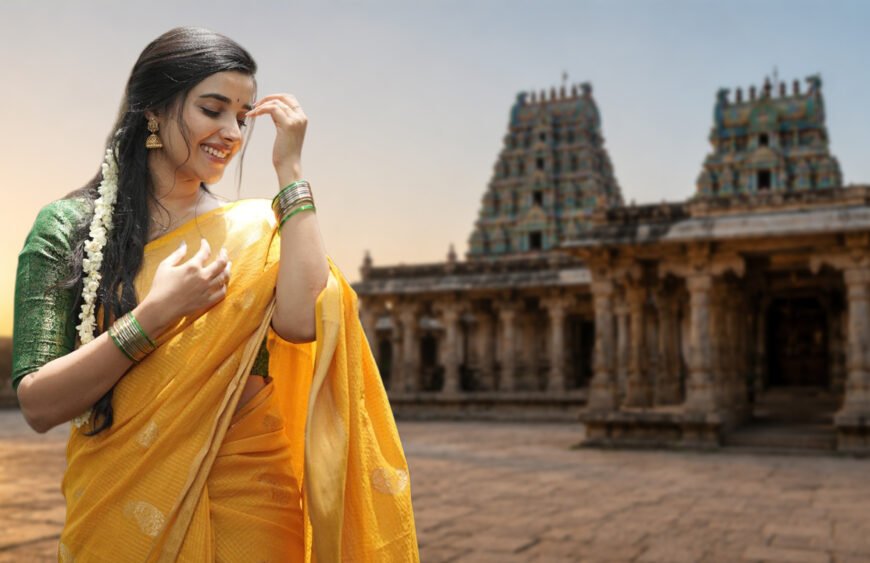
There’s a reason women keep coming back to handloom silk sarees, even when the market is flooded with machine-made options. A hand-woven silk saree carries something you can’t replicate on a power loom — the uneven rhythm of a weaver’s hands, the natural bounce in the fabric, the slight shimmer that shifts with light. At Kamal Vasthralaya, we’ve been sourcing and retailing handloom silk sarees directly from weavers for over four decades, and that quality difference is something customers notice the moment they touch the fabric.
This blog is part of our complete guide on handloom sarees — covering the full world of weave traditions and textile craft. Here, we’re going deeper into the silk side of the story, with a particular focus on both pure silk weaves and the equally beloved handloom silk cotton sarees that many South Indian women swear by. If you’re also curious about the artistry behind needle and thread embellishments, check out our piece on handwork sarees too.
Silk That Breathes: Why Handloom Soft Silk Sarees Are a Wardrobe Staple
Before we get into reasons and comparisons, it helps to understand the base fabric. Handloom soft silk sarees are woven with a finer, lighter silk yarn — less stiff than Kanchipuram, but still holding that characteristic sheen and drape. They’re the kind of saree you reach for when you want to look occasion-ready without spending the whole evening adjusting your pleats.
Weavers make handloom soft silk sarees on traditional pit looms, interlocking silk threads by hand one row at a time. That’s what creates the naturally fluid texture — not a machine setting. For women who find heavy Kanchipuram silks uncomfortable to wear for long hours, these offer the best of both worlds: the visual richness of silk, the physical ease of a lighter weave.
Kamal Vasthralaya carries a wide range of handloom soft silk sarees in classic South Indian motifs, from rudraksha patterns to peacock buttis, with gold and silver zari borders that photograph beautifully at weddings and family functions.
The Hybrid Wonder: Handloom Silk Cotton Sarees
One of the most misunderstood categories in traditional weaving is handloom silk cotton sarees. Many buyers assume “silk cotton” means lower quality — but that’s the wrong read. These sarees combine silk yarn with cotton in varying ratios, resulting in a fabric that drapes softly, feels cool on the body, and still carries that gentle lustre of silk.
For women in South India, handloom silk cotton sarees are a practical everyday luxury. They’re not as heavy as pure silk, so they work beautifully for temple visits, family gatherings, or any occasion that demands tradition without overdressing. The cotton content also makes them more breathable than full silk — a real advantage in Tamil Nadu’s warm climate.
We carry handloom silk cotton sarees sourced from trusted weaving clusters including Pochampally and Chanderi. Each piece has that handwoven identity you can spot immediately — slight texture variation in the weave, natural irregularities in the yarn that no machine can replicate. Explore our Silk Cotton collection to see the full range.
7 Reasons Handloom Silk Sarees Stand Apart from the Rest
Now to the core of it. Here’s why choosing handloom silk sarees is a decision you won’t regret:
1. Every piece is genuinely unique. Hand-weaving means no two sarees are exactly alike. The slight variations in pattern and thread tension are marks of craft, not defects.
2. The natural sheen ages well. Silk woven by hand retains its lustre longer than machine-produced versions, because the fibers aren’t stressed through automated high-speed processes.
3. Real zari is still alive in handloom. Many handloom silk sarees still use traditional gold or silver zari — not just metallic thread. The weight and warmth of real zari is something you feel in your hands.
4. Handloom soft silk sarees give you elegance without the weight. If full Kanchipuram silk feels too heavy, these offer a practical step-down that doesn’t compromise on style.
5. Silk cotton varieties are season-agnostic. Handloom silk cotton sarees transition comfortably from morning poojas to afternoon events — the blend breathes without losing its traditional look.
6. You’re supporting living craft traditions. Each purchase puts income directly into the hands of weavers, most of whom work in small family-run setups across Andhra, Tamil Nadu, and Madhya Pradesh.
7. The heirloom value is real. Quality handloom silk sarees hold their value. Families pass them down for generations — something fast-fashion synthetics simply can’t claim. According to the Office of the Development Commissioner for Handlooms, genuine GI-certified handloom products carry a registered identity that protects buyers from counterfeit weaves.
How to Spot Genuine Handloom Silk Sarees When You Shop
This is where a lot of buyers get tripped up, especially when shopping online. Handloom silk sarees can look visually similar to power-loom imitations in photographs — but the differences are real and noticeable once you know what to look for.
Run your fingers across the surface. A genuine handloom weave has a subtle texture — tiny variations in the thread spacing that feel slightly uneven but rich. Power-loom fabric tends to feel perfectly uniform, which sounds like a good thing, but it’s actually a sign of machine production.
Look at the selvedge (the finished edge of the saree). On a handloom saree, the selvedge is slightly thicker and woven in, not sewn on. The border and body transitions are clean but not machine-perfect.
When buying handloom silk cotton sarees or handloom soft silk sarees online, always check if the seller can share weave close-ups. At Kamal Vasthralaya, we photograph fabric details specifically so customers can verify weave quality before ordering. Our new arrivals section is always updated with detailed product images.
Caring for Your Handloom Silk Sarees the Right Way
A handloom silk saree, properly maintained, can outlast decades of regular use. The rules are simple but worth repeating.
Dry clean for the first few washes — especially for sarees with real zari borders. Water can loosen the metallic threads if the saree isn’t handled carefully during the first wash cycle. After that, gentle hand-washing in cold water with mild soap works for most handloom soft silk sarees. Avoid wringing. Lay flat to dry in shade.
For handloom silk cotton sarees, mild machine washing on a delicate cycle is usually fine after the initial dry clean. The cotton content makes them more forgiving — one of the practical reasons weavers designed handloom silk cotton sarees as an everyday-friendly alternative to pure silk in the first place.
Storage matters too. Never fold a silk saree on the same crease repeatedly — threads weaken along fold lines over time. Wrap in a soft cotton cloth, not plastic. If storing for more than a few months, air them out every few weeks and refold along different lines.
Frequently Asked Questions
What’s the difference between a hand-woven silk saree and a power-loom version?
A hand-woven piece is made thread by thread on a traditional loom operated by a skilled weaver. Power-loom versions use automated machines — faster, but without the tactile richness and craft identity that manual weaving creates.
Is a silk-cotton blend saree a good choice for daily wear?
Absolutely — it’s one of the smartest choices for regular use. The cotton component keeps it light and breathable, while the silk gives it enough sheen to stay appropriate for formal and semi-formal occasions.
How can I tell if the zari border on a saree is genuine?
Real zari has a warm metallic weight to it — not an overly bright, uniform shine. Burn a few loose threads: authentic zari leaves behind a metallic residue, while artificial thread burns away cleanly like plastic.
What occasions suit a lighter-weight silk saree best?
They work across a wide range — weddings, temple visits, festivals, and afternoon family events. The lighter construction makes them much easier to drape and carry for extended hours.
Can I browse and buy Kamal Vasthralaya’s collection online?
Yes. Visit our online shop to browse the full range and place orders with doorstep delivery across India.
Conclusion
Choosing handloom silk sarees isn’t just a style decision — it’s a quiet act of preservation. Every time you drape a hand-woven saree, you’re wearing the output of someone’s skilled, patient labour. That’s something a machine-made fabric simply doesn’t carry.
At Kamal Vasthralaya, we’ve spent over 40 years ensuring the weaves we bring to Coimbatore are the genuine article — sourced carefully, priced fairly, and available to every woman who values quality. Whether you’re drawn to the comfort of handloom soft silk sarees, the practicality of handloom silk cotton sarees, or the brilliance of full handloom silk sarees, our collection has something built for you.
Walk into our showroom at R.S. Puram or browse our complete saree collection online. And if you want to explore the wider world of woven and crafted sarees, our in-depth guide on handloom sarees is the place to start.