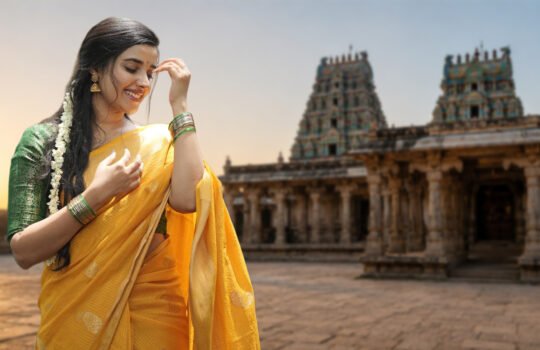
There is something quietly powerful about a handloom saree. No machine can replicate the slight irregularities that make each weave one of a kind — the tiny variations in thread tension, the subtle shift in colour across the body, the way a border sits when it has been woven by an artisan who has spent years mastering the craft. Handloom sarees carry all of that history in every fold.
India’s handloom tradition is one of the richest in the world, certified and protected by bodies such as the Handloom Mark Scheme by the Textiles Committee of India. At Kamal Vasthralaya, our collection spans everything from lightweight daily wear to celebration silks — and this guide walks you through why these weaves deserve a permanent place in your wardrobe.
What Makes a Handloom Saree Different From Other Sarees?
Handloom sarees are woven entirely on a manually operated loom — no power, no automation. The weaver controls every shuttle throw, every weft insertion, and every pattern repeat by hand. This is why two handloom sarees from the same batch never look identical. That human touch is the defining quality.
Machine-made fabric is engineered for uniformity. A handloom saree, by contrast, carries the weaver’s rhythm. The texture feels different against the skin. The drape behaves differently too — softer, more fluid, more alive. When you invest in handloom sarees, you are not just buying fabric. You are preserving a craft that has existed for centuries and supporting the communities that keep it going.
Why Handloom Cotton Sarees Are the Ultimate Everyday Wear
Among all categories of handloom sarees, handloom cotton sarees hold a special place for daily comfort. Cotton breathes. It absorbs moisture, regulates body temperature, and stays light even in Coimbatore’s warm climate. A well-woven handloom cotton saree is something you can wear to the office in the morning and a family gathering in the evening without feeling overdressed or under-dressed.
The range within handloom cotton sarees is vast. Chettinad cotton sarees are known for their bold checks and contrasting thread work. Kovai cotton sarees carry a signature fineness that has made Coimbatore famous as a weaving hub. Narayanpet cotton brings geometric temple borders to a lightweight base. Each of these is a distinct tradition, and all of them belong to the broader world of handloom cotton sarees.
At Kamal Vasthralaya, our cotton saree collections include Chettinad, Kovai, Narayanpet, Bhagalpur, Bengal, and Mulmul weaves — a curated lineup of handloom cotton sarees for every budget and occasion.
The Art of the Karigari Saree — Where Craft Becomes Jewellery
The term karigari comes from the Hindi word for craftsmanship — kaarigari — and a karigari saree is exactly that: a saree treated as a canvas for skilled manual work. This could be hand-embroidery using resham or zari thread, mirror work, hand-painted kalamkari motifs, or intricate stone embellishments applied one piece at a time.
What separates a karigari saree from a regular embroidered saree is the intention behind the work. It is not just decorated — it is composed. Each motif placement is deliberate. The work typically takes days or even weeks for a single piece. When you hold it up to the light, you can see the density of the handwork and understand exactly why it commands the price it does.
A karigari saree pairs beautifully with handloom cotton sarees for festive daywear — the texture of the cotton base gives the embroidery dimension that synthetic fabrics simply cannot match.
Handloom Silk Sarees — The Celebration Weave
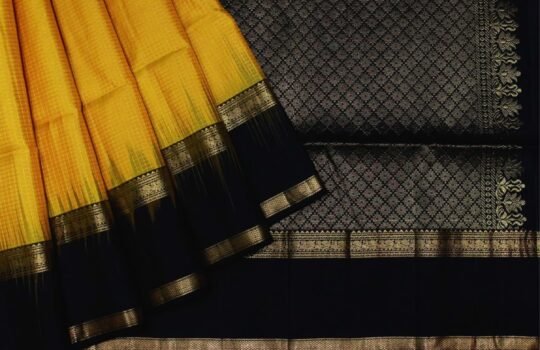
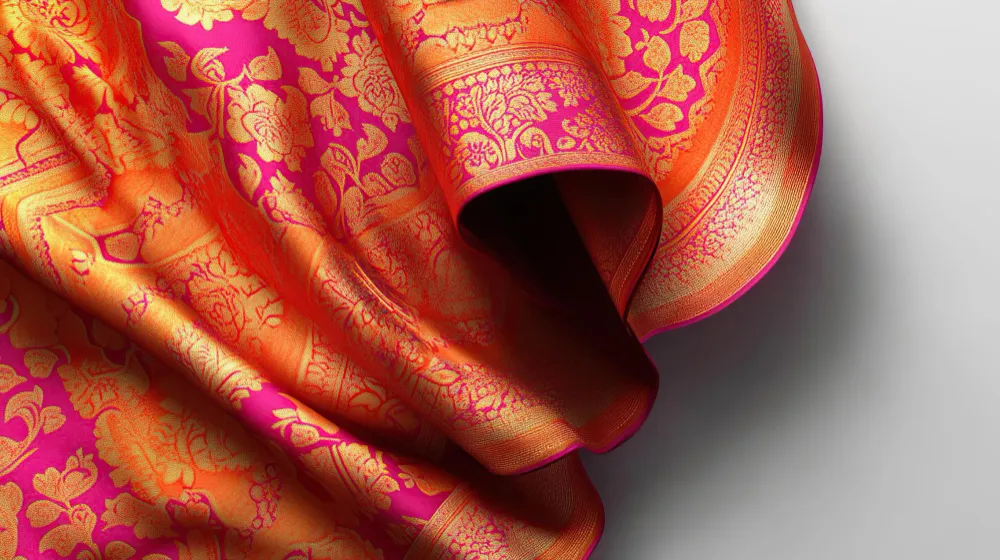
If cotton weaves are the everyday wardrobe, handloom silk sarees are the celebration chapter. Silk carries zari differently. It reflects light in a way cotton cannot. A Kanchivaram woven on a handloom carries that deep lustre you simply cannot get from power-loom silk — the gold zari sits proud on the surface, and the weave itself has a body and drape that holds the pallu in place beautifully.
Our Kanchivaram silk sarees and pure soft silks represent the finest in handloom sarees for bridal and festive occasions. Each piece is sourced directly from weaving clusters, ensuring authenticity and fair value.
Handwork Sarees — When Every Stitch Tells a Story
Closely related to this tradition, handwork sarees focus on the embellishment applied after weaving. Think chikankari on a Lucknow muslin base, kantha running stitch on a Bengal cotton ground, or thread embroidery on a Tussar silk. The base fabric is often handloom-woven — which means the finished piece is doubly handcrafted.
For buyers who want something between a lightweight cotton drape and a full silk, handwork sarees offer a beautiful middle path. The base fabric stays breathable and comfortable through a long event, but the embellishment adds festive weight and visual richness that plain cotton alone cannot deliver. It is the kind of saree that photographs beautifully and feels effortless to wear. Explore our new arrivals section for the latest additions in this category.
How to Choose the Right Handloom Saree for Every Occasion
Choosing the right weave for the right occasion makes all the difference. For everyday office or college wear, reach for a Chettinad or Kovai handloom cotton saree — light, crisp, and easy to manage through a long day. For a festival or puja, a Narayanpet or Bhagalpur cotton with a contrast border gives you colour and tradition without the weight of silk. For weddings — either as a bride or as a guest — handloom silk is the natural choice. The richness of the weave, the way zari catches the light in a ceremonial hall, and the heirloom quality of the fabric make it worth every rupee.
If you are buying a karigari saree as a gift, consider the occasion carefully. Embroidery-heavy pieces work beautifully for milestone events — a sixtieth birthday, an anniversary, a baby shower. Lighter karigari work in thread-only embroidery suits graduations or professional felicitations. The weight of the craft should match the weight of the moment.
Why Kamal Vasthralaya Is Coimbatore’s Trusted Home for Handloom Sarees
Kamal Vasthralaya has been part of Coimbatore’s textile story for over 40 years. The store at R.S. Puram functions both as a retail destination and as a direct-sourcing hub — which means the handloom sarees you see here have not passed through five layers of middlemen before reaching you.
Our buying team works directly with weaving clusters across Tamil Nadu, Andhra Pradesh, West Bengal, and Odisha to bring genuine handloom cotton sarees to Coimbatore customers at honest prices. The karigari saree pieces in our collection are sourced from artisan cooperatives where the craft is still taught and practised in its original form. Whether you visit us at 49 AB, Azad Road or browse our online shop, you will find that the product descriptions, photographs, and pricing reflect exactly what you receive.
Frequently Asked Questions
How do I verify if a saree is genuinely handloom?
Look for the Handloom Mark label — a government-issued tag certifying authentic handloom origin. You can also feel for the characteristic slight unevenness in the weave that machine looms cannot replicate.
Are handloom cotton sarees suitable for office wear?
Absolutely. A crisp Chettinad or Narayanpet cotton drapes neatly, breathes well through the day, and reads as professional without being overly formal. Add a contrast blouse and you are work-ready.
What is the difference between hand-embroidered and printed sarees?
A printed saree uses dye applied to the surface of pre-woven fabric. An embroidered piece involves hand-applied embellishment — thread, mirror, bead, or stone — stitched or fixed individually by a craftsperson. The work is three-dimensional and cannot be replicated by a printing press.
How should I store my sarees at home?
Fold them with muslin cloth between each layer to prevent colour transfer. Store away from direct sunlight. Air them out every few months rather than keeping them sealed year-round.
Do you offer sarees for bulk or wholesale purchase?
Yes — Kamal Vasthralaya operates as both a retailer and wholesaler. Contact us directly for wholesale enquiries on cotton or silk collections.
Conclusion
Handloom sarees are not just a purchase — they are a choice. A choice to value craft over convenience, durability over disposability, and authenticity over imitation. Whether you are exploring handloom cotton sarees for casual wear, gifting a karigari saree to mark a milestone, or adding a heritage silk to your bridal trousseau, the right weave is out there waiting.
Kamal Vasthralaya exists to make that search easier. Forty years of sourcing knowledge, direct weaver relationships, and a collection that runs from cotton everyday wear to the finest handloom sarees in silk — all of it is available in one place, at honest prices, with the expertise to help you choose confidently.